
Zoom-in
In the era of AI doing everything, it's easy to bypass the core fundamentals of technology. This series goes the other way—we'll slow down together, dissect one basic concept at a time, and zoom in layer by layer until it's truly understood.
We are living in an era where a single prompt can make AI generate complex blocks of code. While this convenience is amazing, it quietly leaves a gap: our ability as developers to read, dive deep, and grasp the core fundamentals is being forgotten. We copy-paste, guess, and hope it works, rather than understanding why it works.
Yet, when we encounter a critical bug or have to design a robust architecture from scratch, that guesswork turns into anxiety.
The Zoom-in series is built from that exact shared feeling. It's a friendly space where we pause, pick a fundamental backend or networking concept — from HTTP and Database Indexes to JWT and Docker — and ask the simplest question: what problem does this exist to solve? Then, we zoom in layer by layer until the answers become clear, solid, and yours to keep.
Posts in this series

Zoom-in: HTTP
Every web app starts from a simple model: client asks, server answers. HTTP is the language of that conversation — but five layers of infrastructure make it work.

Zoom-in: Database Index
Adding an index is the first thing everyone tries. Fewer people ask why it works — or when it becomes a liability.

Zoom-in: JWT
Log in, call an API, server lets you through. Inside that token is a digital signature — not encryption, and that distinction matters.
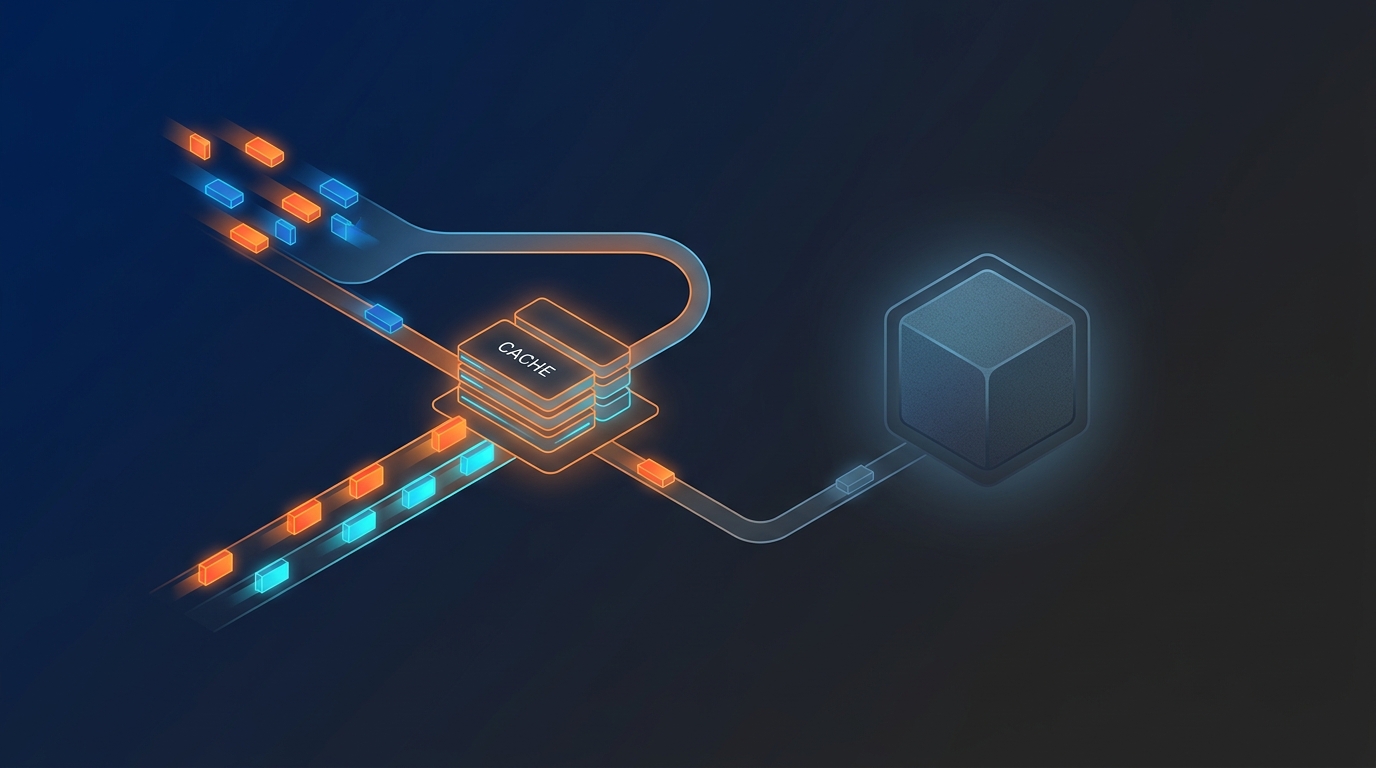
Zoom-in: Cache
Add Redis when it's slow. But where cache sits, how long it holds data, and when it clears — each wrong answer creates a different class of bug.

Zoom-in: Docker Container
docker run, app starts instantly — on any machine. Inside is the Linux kernel creating isolation without a virtual machine.

Zoom-in: Asymmetric Encryption
HTTPS is secure because it's encrypted. But who encrypted it, who decrypts it, and why no one can impersonate the server — that's the real question.
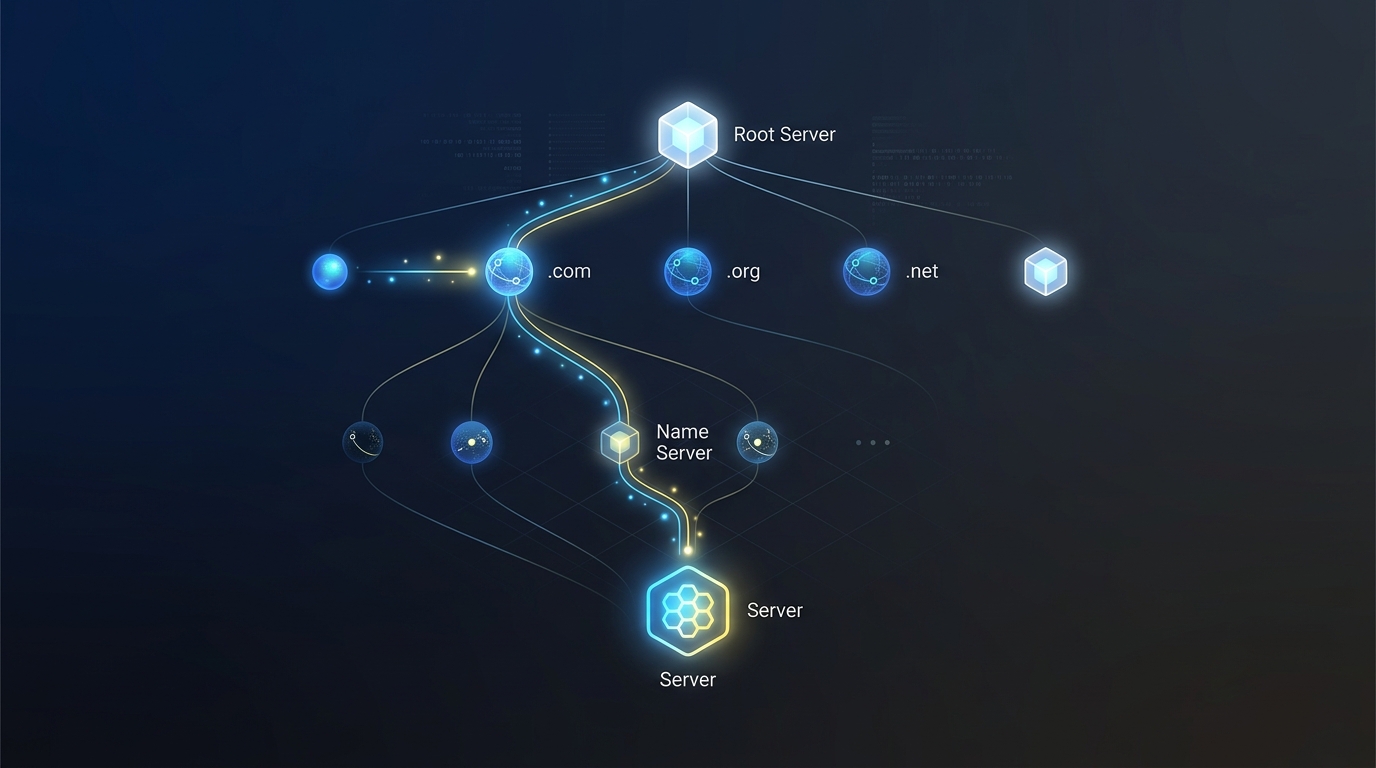
Zoom-in: DNS
Type 'google.com', press Enter. Your machine doesn't understand domain names — it only understands IP addresses. Between those two is a four-layer distributed lookup system.

Zoom-in: TCP
Every HTTP request runs on TCP — but before the first byte of real data crosses the wire, three packets are exchanged carrying no data at all. TCP solves the problem the Internet doesn't.

Zoom-in: OAuth 2.0
'Sign in with Google' hides a delegation mechanism where your password never leaves Google. OAuth 2.0 solves the authorization problem without sacrificing security.

Zoom-in: Load Balancer
One domain, millions of requests per day. A load balancer doesn't just split traffic — it decides routing, health checking, and session management for the entire system.

Zoom-in: Git Commit
git commit -m 'fix bug' — one command. Under the hood is an immutable, content-addressed data structure that explains why rebase, cherry-pick, and merge work the way they do.

Zoom-in: CORS
Access-Control-Allow-Origin header is missing. The infamous red error in the browser console. Why does it exist and what problem does it solve?

Zoom-in: Connection Pool
Your application slows down or crashes under heavy load, logging 'Too many connections'. Why is opening new connections repeatedly so harmful?

Zoom-in: Virtual Memory
Run multiple apps at once, and each one acts like it owns all of your RAM. How does the operating system isolate memory space so securely?

Zoom-in: WebSocket
Your chat app updates instantly without reloading the page. How WebSocket breaks free from the one-way limits of HTTP.

Zoom-in: Rate Limiter
You send too many API requests, and the system responds with '429 Too Many Requests'. How does the Rate Limiter gatekeeper protect system resources?

Zoom-in: LLM
Predicting the next token at supercomputer scale. Zoom in on the actual mechanism driving AI intelligence.

Zoom-in: Tokenizer
The model doesn't read letters like you think. Zoom in on how text is sliced and how it impacts both API costs and context memory.

Zoom-in: KV Cache
Inference complexity increases quadratically. Zoom in on the Key-Value Cache saving the speed of language models.

Zoom-in: Decoding Parameters
Control model randomness. Zoom in on the probability distribution mechanisms and how language models choose the next word.

Zoom-in: Quantization
Compress model sizes without losing intelligence. Zoom in on the quantization mechanism mapping weights from float to integer.

Zoom-in: Alignment
From raw word predictions to trusted conversational partners. Zoom in on the model alignment revolution powered by RLHF and DPO.

Zoom-in: Git Worktree
git worktree — Git's hidden superpower for multitasking. Understand how Git coordinates flat .git text files, worktree metadata, and commondir to support parallel branches without cloning.